
A True No-Resale Policy:
Eliminating Risk at the Source
White Papers: A Risk-Centered Framework for IT Disposition
Executive Summary
The retirement of information technology assets represents a critical inflection point in an organization’s risk lifecycle. While acquisition and deployment are carefully controlled, end-of-life disposition frequently introduces avoidable exposures. Many IT asset disposition (ITAD) providers offset service costs through resale or remarketing of retired equipment. The financial liability associated with regulatory compliance for proper disposal can never be transferred; it remains with the original owner of record. Reselling or remarketing retired assets prolongs that liability by allowing the equipment—and the associated regulatory responsibility—to continue beyond your direct control.
Back Thru The Future Computer Recycling, a certified woman-owned business founded more than 35 years ago, has developed a fundamentally different model: a strict No-Resale Policy designed to eliminate downstream risk rather than redistribute it. Through certified secure data destruction, environmentally compliant recycling, and a fully documented chain-of-custody process, we provide organizations with a defensible and auditable end-of-life strategy aligned with enterprise risk management principles.
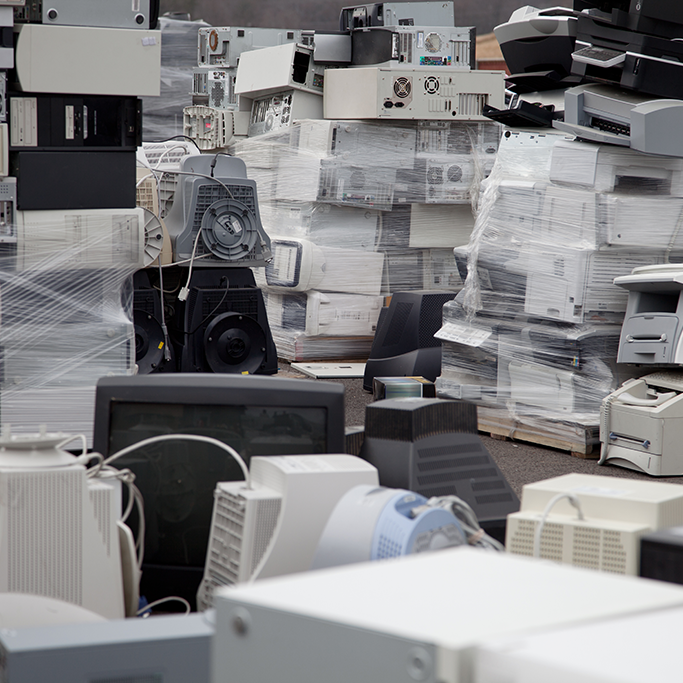
The Risk Landscape of IT Asset Disposition
The disposal of IT equipment creates multiple layers of organizational exposure. These risks extend well beyond data destruction and can materially affect governance, compliance, insurance posture, and brand equity.
Key risk categories include:
- Data Security Risk Residual data exposure, incomplete sanitization, and downstream device tracking failures.
- Regulatory Compliance Risk Privacy law violations (federal and state), environmental regulations, and industry-specific mandates.
- Brand and Reputational Risk Public association with data breaches, improper exportation, or environmentally irresponsible disposal.
- Chain-of-Custody Control Risk Breakdowns in documented possession control from deinstallation through final disposition.
- Insurance and Enterprise Risk Management Exposure Unquantified downstream liability impacting cyber insurance, directors and officers coverage, and enterprise risk assessments.
- Organizational Governance Risk Misalignment between stated corporate policy and actual end-of-life practices.
These risks do not have a natural expiration date. In remarketing models, the originating organization has no visibility into — or control over — where retired assets ultimately reside, how they are used, or when they are finally destroyed.
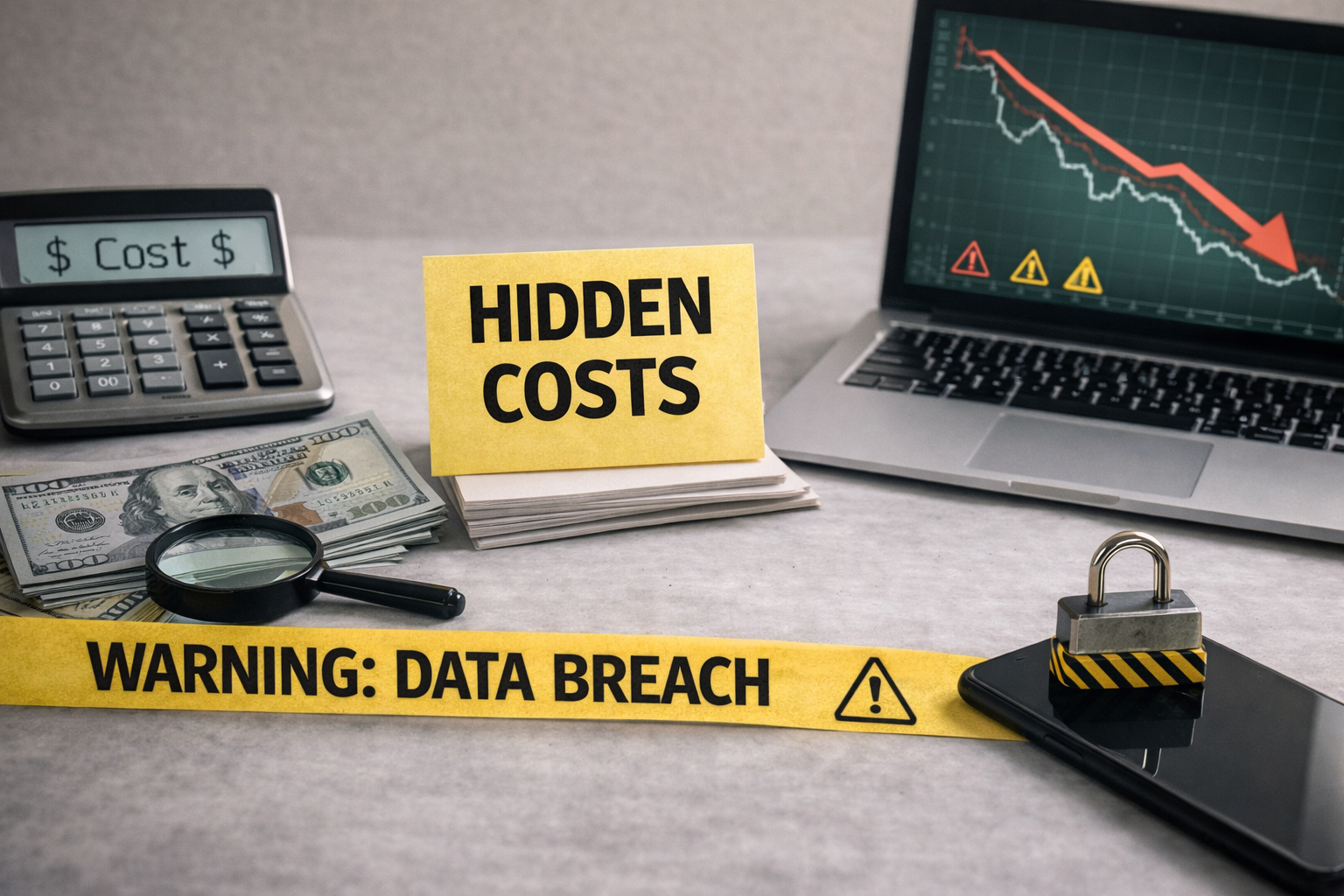
The Hidden Cost of Remarketing
The residual value offered by resale-based recyclers is often positioned as a financial benefit. However, the apparent credit is accompanied by hidden costs:
- Accounting and reconciliation complexity
- Volatile and unpredictable secondary market valuations
- Ongoing liability tied to equipment still in circulation
- Dependency on downstream vendors outside the client’s control
Most critically, the organization retains reputational and regulatory exposure if a resold device is later involved in a data breach, improper export, or environmental violation.
The financial equation only works if nothing goes wrong. From a risk management perspective, this is not mitigation — it is speculation.
Why Responsible Destruction Is the Most Defensible Environmental Strategy
While reuse is frequently characterized as environmentally superior, the downstream realities of secondary markets complicate that narrative. Devices introduced into resale channels may ultimately:
- Be exported to jurisdictions lacking environmental oversight
- Be dismantled outside certified facilities
- Re-enter waste streams without documentation or accountability
True environmental responsibility requires control of the entire downstream process.
Back Thru The Future operates under rigorous regulatory and certification frameworks, including:
- R2v3 Certification
- NJDEP Class D Recycling Licensing
- Federal EPA registration
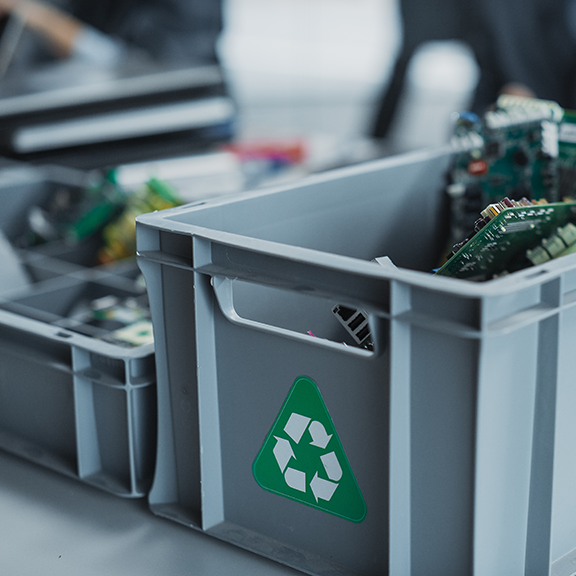
These credentials exist to ensure that materials are processed within verified, compliant, and fully traceable channels. Responsible destruction within a controlled, certified facility eliminates uncertainty and ensures that materials are recovered in accordance with documented environmental standards.
A Transparent and Documented Chain of Possession
Over three decades of regulatory experience have enabled Back Thru The Future to develop a highly transparent, defensible chain-of-custody system. Our process includes:
- Serialized asset tracking
- Controlled logistics and documented possession transfer
- Certified secure data destruction
- Environmentally compliant material processing
- A cloud-based project documentation library for client audit access
This structured chain of possession ensures that organizations can demonstrate continuous control from deinstallation through final material recovery — a critical requirement in today’s regulatory and litigation environment.


The No-Resale Policy: Risk Elimination, Not Risk Transfer
Back Thru The Future is unique within the computer recycling industry for maintaining a strict No-Resale Policy. We believe that retired IT assets should not remain in circulation carrying residual liability.
Our philosophy is straightforward:
Disposition should eliminate risk — not transfer it.
By removing resale from the equation, we:
- Eliminate downstream tracking uncertainty
- Remove secondary market exposure
- Reduce long-term reputational and compliance risk
- Provide a clear, auditable end-of-life record
This model aligns directly with enterprise risk management frameworks and conservative governance practices.
Conclusion
The perceived financial benefit of remarketing rarely compensates for the magnitude of potential downside exposure. Data breaches, environmental violations, and reputational incidents tied to retired devices can exceed any residual credit by orders of magnitude.
Secure destruction, executed within a certified, documented, and fully controlled processing environment, represents the most rational and defensible IT asset disposition strategy available.
At Back Thru The Future, risk elimination is not optional. It is our standard.