
Cell Phone & Tablet
Secure Destruction
Smartphones, tablets, and other small electronic devices often contain embedded flash storage that cannot be removed like a traditional hard drive. BTTF provides a secure, documented destruction process that addresses both the data-bearing device and the battery handling and recycling requirements these assets create.
WHY THIS PAGE MATTERS
Small devices.
Big Exposure.
Most organizations have a defined process for hard drive destruction. Far fewer have a secure method for retiring phones, tablets, and other devices that rely on embedded storage.
Those overlooked assets can retain credentials, communication logs, device identifiers, and system configuration data.
BTTF adds a critical step many providers overlook: battery removal and responsible recycling as part of a secure destruction workflow.
THE CHALLENGE
What is integrated media, and why does it change the destruction process?
Unlike desktop systems that store data on discrete hard drives, many modern devices rely on embedded flash memory or eMMC storage integreted directly onto a circuit board. That makes conventional isolation, removal, or sanitization impractical.
When these devices are retired, the entire unit should be treated as a data-bearing asset. Secure destruction must account for both the embedded storage and the battery components often contained within the device.

Cell phones and smartphones
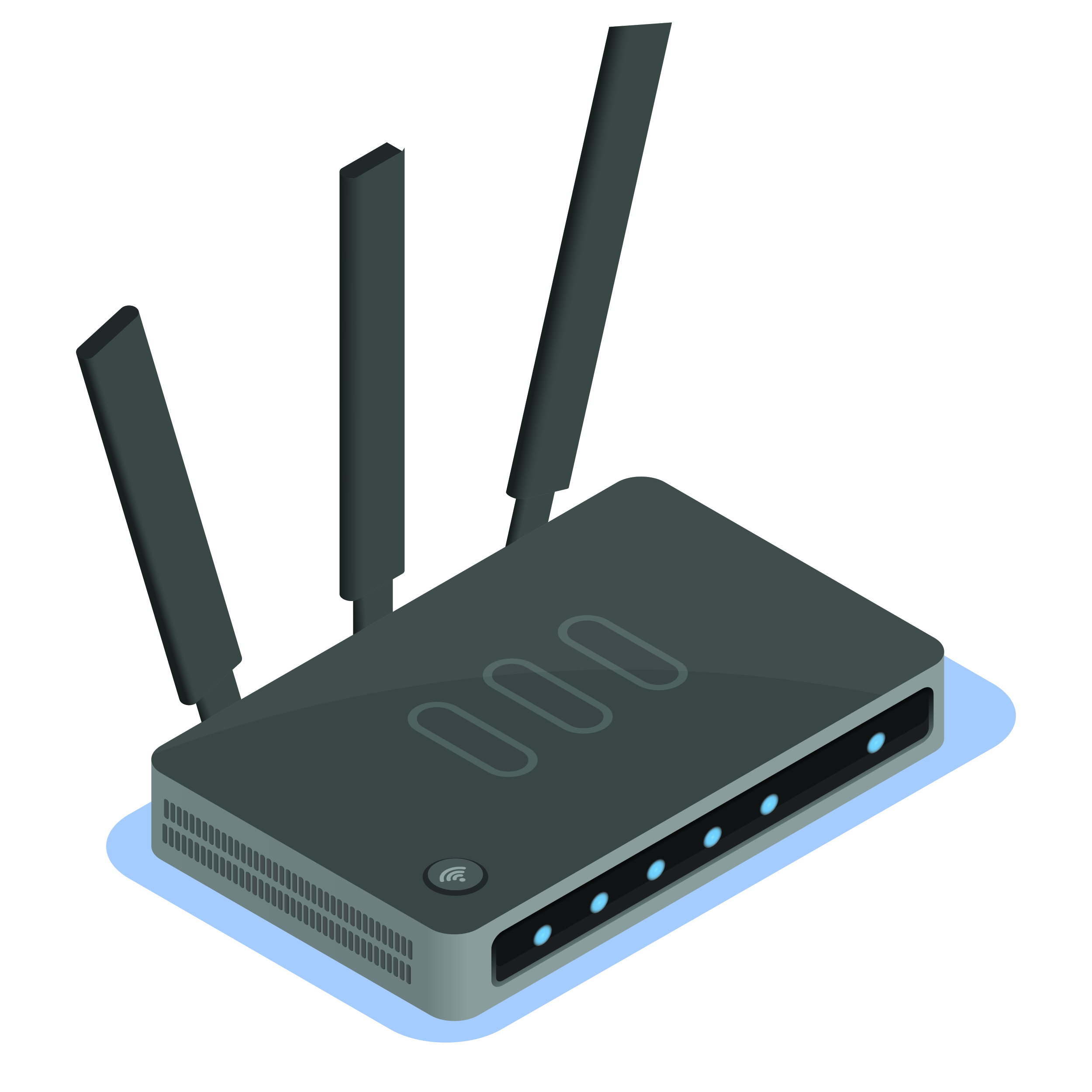
Networking devices and peripherals
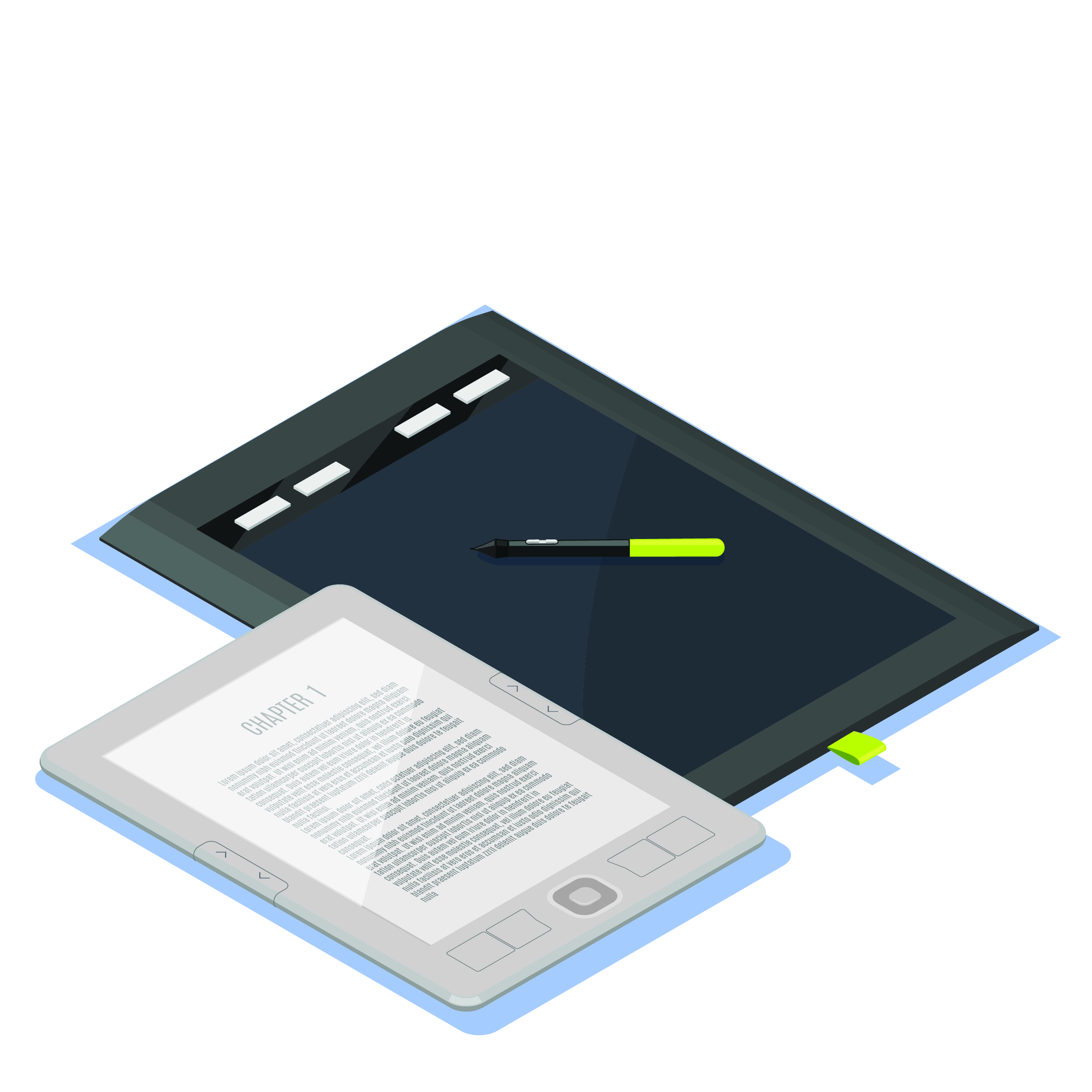
Tablets and handheld devices

Computerized accessories and small-form electronics
COMMON BLIND SPOTS
Why these devices create outsized risk
- Embedded flash memory and eMMC torage cannot be easily removed or sanitized by internal IT staff.
- Retired smartphones, tablets, scanners, networking hardware, and accessories may still retain credentials, logs, and configuration data.
- Battery bearing devices introduce a second risk factor: improper handling can create safety, environmental, and compliance exposure.
Data
Security
Exposure
Integrated media devices can retain sensitive information even when they are no longer actively used. Without physical destruction, those hidden data stores remain a breach risk.
Operational
Blind
Spots
These devices often fall outside standard hard drive destruction workflows, creating gaps in asset segregation, accountability, and documentation.
Battery
Handling
Risk
Lithium Batteries require proper removal and downstream recycling. A destruction partner must address both data destruction and battery management as part of defensible process.
BEST-PRACTICE WORKFLOW
A defensible process for small device destruction
Secure retirement of phones and tablets requires more than simple disposal. BTTF’s workflow is designed to reduce data exposure, maintain accountability, and address battery management as part of the destruction chain.
Segregate Covered Devices
Batteries are safely removed and directed into proper recycling channels, reducing fire risk and supporting environmentally compliant processing.
Secure Collection & Tracking
Devices are placed into locked containers and tracked through BTTF’s barcoded inventory and chain-of-custody protocols.
Battery Removal & Recycling
Batteries are safely removed and directed into proper recycling channels, reducing fire risk and supporting environmentally compliant processing.
Certified Physical Destruction
Devices are destroyed either on-site via mobile shredding or at BTTF’s secure recycling facility through shredding or disintegration.
Documentation & Accountability
Clients receive a documented, audit-ready process that supports internal controls, compliance needs, and downstream defensibility.
BTTF ADVANTAGE
Battery removal and recycling is not an add-on. It is part of the risk picture.
Phones and tablets combine data-bearing electronics with battery components that require proper handling. A credible destruction program must address both. BTTF’s battery removal and recycling capabilities help organizations reduce safety hazards while maintaining an environmentally responsible downstream process.
- Locked, tamper resistance collection containers
- On-site mobile shredding or secure transport to destruction facility.
- Available through Safe Harbor Express (SHE) or ad hoc service.
- Individual asset tracking with bar code accountability.
- Battery removal and battery recycling capabilities.
- Supports chain-of-custody and audit documentation requirements.
WHO IS THIS FOR
Ideal for regulated and security-sensitive environments
- Healthcare organizations handling mobile clinical devices
- Financial firms managing access-enabled tablets and phones
- Legal, government, and corporate IT environments with regulated data exposure
- Multi-site organizations seeking standardized small-device destruction programs

eFREQUENTLY ASKED QUESTIONS
Why aren’t standard hard drive destruction procedures enough?
Because many smaller devices do not contain removable hard drives. Their data resides on embedded flash storage integrated into the circuit board, which typically requires physical destruction of the device itself.
Why is battery removal important?
Cell phones and tablets frequently contain lithium batteries that should be removed and recycled properly before or during processing. This helps reduce safety hazards and ensures the device stream is managed responsibly from both a security and environmental standpoint.
Can destruction be performed at our location?
Yes. BTTF can provide on-site destruction using mobile shredding vehicles, or securely transport materials to its primary recycling facility depending on program needs and site logistics.
Can this be part of an ongoing program instead of a one-time purge?
Yes. Services can be structured through Safe Harbor Express (SHE) for recurring collection and destruction, or scheduled on an as needed basis.
SECURE DESTRUCTION PROGRAM OPTIONS
Close the gap in your data destruction program.
BTTF helps organizations securely collect, track, destroy, and document your disposal of cell phones, tablets, and other embedded-storage devices—with battery removal and recycling built into the process.